
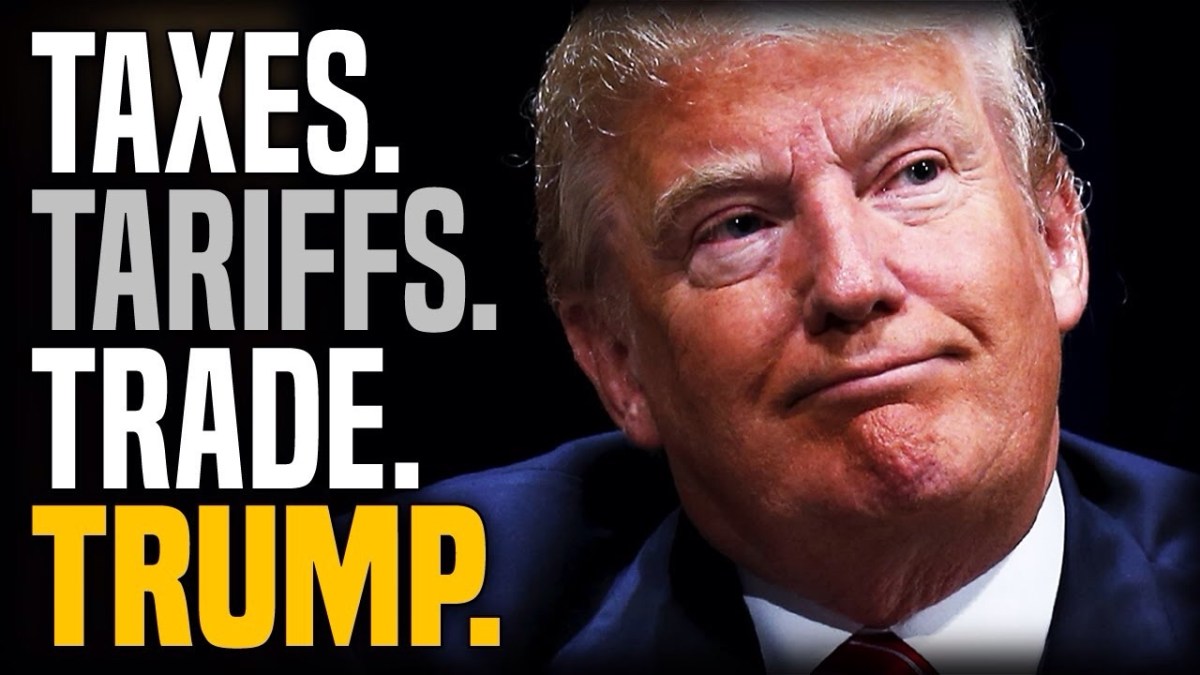
President Trump declared on Wednesday that he would implement a 25 per cent tariff on imports of foreign-manufactured vehicles. This decision significantly intensifies his ongoing trade conflict with various international partners. The move aims to protect domestic auto manufacturers by increasing the cost of foreign vehicles, potentially altering market dynamics and trade relations in the automotive sector.

Trump said in the Oval Office that the 25 percent tariff would apply to “all cars not made in the United States.” The tariffs will go into effect on April 2, Trump said.
The president said that if parts are made in America, those parts would not be taxed or tariffed. Many cars are built with parts that originate in multiple different countries before the vehicle is assembled.
“For the most part, I think it’s going to lead cars to be made in one location,” Trump said.
Trump argued the tariffs would encourage foreign car producers to move production into the United States and boost jobs in the long run. But the tariffs could lead to higher prices for cars in the meantime, as it could increase the cost for manufacturers to bring in certain parts.
“We’re signing an executive order today that’s going to lead to tremendous growth in the automobile industry,” Trump told reporters.
The move is likely to hit Japan, South Korea and Germany particularly hard.
The stock market dipped on Wednesday afternoon in anticipation of Trump’s announcement, which the White House had previewed earlier in the day.
Trump had forecasted the move earlier in the week, and he has suggested it will not be the final round of tariffs in the coming days. Trump has also indicated he plans to impose sector-specific tariffs on semiconductors and lumber imports.
And Trump has for weeks teased that his administration will on April 2 impose reciprocal tariffs on any nation that already has duties imposed on U.S. goods. The president said Wednesday the tariffs would be “very lenient” and “somewhat conservative.”
The president earlier this month announced broad tariffs on Canadian and Mexican imports. Two days later, he said there would be a one-month delay for auto parts covered under the U.S.-Mexico-Canada trade agreement after leaders from Ford, Stellantis and General Motors raised concerns about the policy affecting production. That exemption is set to expire next week.
Economists have warned that Trump’s reliance on tariffs will likely lead to a spike in the cost of goods for U.S. consumers. The Federal Reserve last week projected the U.S. economy would grow more slowly than previously expected.
Trump has shrugged off those concerns, arguing tariffs will grow the government’s coffers and incentivize companies overseas to relocate to the United States to avoid paying the penalties. His administration has touted investments from companies like Apple, Honda and Hyundai in recent weeks.
At Sterling Publishing & Media Service Agency, we prioritise transparency and accountability in all our operations. We wish to clarify that we are not responsible for any external content, hyperlinks, or costs associated with our services. Nevertheless, we remain committed to delivering outstanding services and greatly value your continued support. Thank you for your trust in us.
You must be logged in to post a comment.