
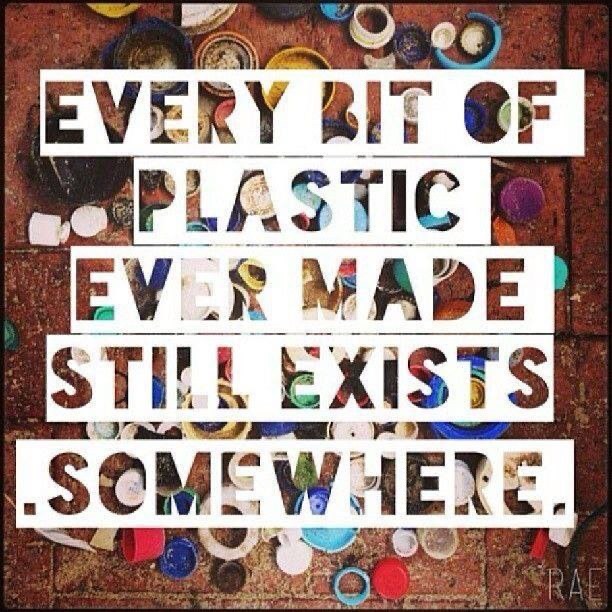
Ace Food Desk – Plastics are used in a wide array of consumer and industrial products, including toys, household appliances, cosmetics, medical applications, automotive parts, textiles, packaging, and building and construction materials. Limited amounts of plastics are recycled or incinerated, leaving most plastic waste to accumulate in landfills and the environment. Plastic pollution can be found throughout the environment, from land to streams and inland waterways to the coast and the ocean.

Published: 07/24/2024
Key Points:
- Some evidence suggests that microplastics and nanoplastics are entering the food supply, primarily through the environment.
- Current scientific evidence does not demonstrate that levels of microplastics or nanoplastics detected in foods pose a risk to human health.
- The FDA continues to monitor the research on microplastics and nanoplastics in foods and is taking steps to advance the science and ensure our food remains safe.
Most plastics do not biodegrade and instead break down from weathering in the environment over time into small particles called microplastics and nanoplastics.
Microplastics and nanoplastics may be present in food, primarily from environmental contamination where foods are grown or raised. There is not sufficient scientific evidence to show that microplastics and nanoplastics from plastic food packaging migrate into foods and beverages. People may be exposed to microplastics and nanoplastics through the air, food, and absorption through the skin from the use of personal care products.
Microplastics and nanoplastics are found in a wide variety of sizes, shapes, and colors, as well as varying polymer types, states of degradation, and presence of chemical additives included in plastics during the manufacturing process. Microplastics are very small pieces of plastic that are typically considered less than five millimetres in size in at least one dimension. Microplastics can be manufactured to be that size, such as resin pellets used for plastic production or degraded to that size from larger plastics discarded into the environment. Nanoplastics are even smaller, typically considered to be less than one µm, or micron, in size. For reference, the diameter of a human hair is about 70 microns. The FDA provides these descriptions of size for reference; however, there are currently no standard definitions for the size of microplastics or nanoplastics. This complex variety of characteristics makes the unique identification and assessment of their potential impacts challenging.
The presence of environmentally derived microplastics and nanoplastics in food alone does not indicate a risk and does not violate FDA regulations unless it creates a health concern. While many studies have reported the presence of microplastics in several foods, including salt, seafood, sugar, beer, bottled water, honey, milk, and tea, current scientific evidence does not demonstrate that the levels of microplastics or nanoplastics detected in foods pose a risk to human health. Additionally, because there are no standardized methods for how to detect, quantify, or characterize microplastics and nanoplastics, many of the scientific studies have used methods of variable, questionable, and/or limited accuracy and specificity.
The FDA continues to monitor the research on microplastics and nanoplastics. If the FDA determines, based on scientific evidence, that microplastics or nanoplastics in food, including packaged food and beverages, adversely affect human health, the FDA can take regulatory action to protect public health.
Health Effects Information
Scientific Information
Regulatory Information
Related Information
- Food Chemical Safety
- Understanding How the FDA Regulates Substances that Come into Contact with Food
- Food Ingredients & Packaging
- Environmental Contaminants in Food
Resources from Other Federal Government Agencies
- National Oceanic and Atmospheric Administration National Ocean Service – What are microplastics?
- National Oceanic and Atmospheric Administration Marine Debris Program: Plastic
- U.S. Department of State Office of Environmental Quality and Transboundary Issues: Plastic Pollution
- U.S. Environmental Protection Agency – Microplastics Research
- U.S. Environmental Protection Agency Trash-Free Waters
- Integrated Science for the Study of Microplastics in the Environment—A Strategic Science Vision for the U.S. Geological Survey
- U.S. Agency for Toxic Substances and Disease Registry Review of Data for Quantifying Human Exposures to Micro and Nanoplastics and Potential Health Risks
At Sterling Publishing & Media Service Agency, we prioritise transparency and accountability in all our operations. We wish to clarify that we are not responsible for any external content, hyperlinks, or costs associated with our services. Nevertheless, we remain committed to delivering outstanding services and greatly value your continued support. Thank you for your trust in us.
You must be logged in to post a comment.