
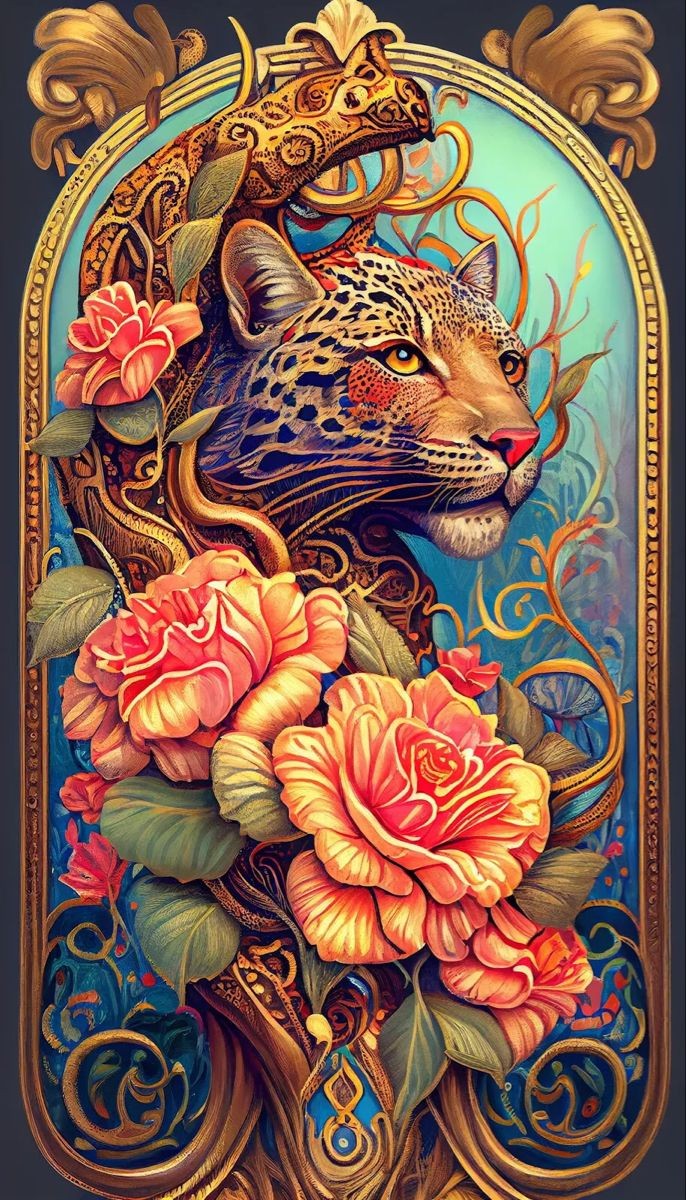

The relationship between art and technology is complex and ever-evolving. Technology has had a profound impact on the creation, distribution, and consumption of art.
On one hand, technology has provided artists with new tools and mediums for artistic expression. For example, the advent of photography, film, and digital art has expanded the possibilities for visual representation. Artists can now manipulate and create images using software, and explore new forms of interactive and immersive art through virtual reality and augmented reality.
Furthermore, technology has facilitated the democratization of art, making it more accessible to a wider audience. The internet and social media platforms have made it easier for artists to showcase their work, connect with other artists and art enthusiasts, and even sell their artwork online. This has opened up new avenues for artists to gain recognition and support for their work.
At the same time, technology has also presented challenges for artists. The proliferation of digital media has raised questions about copyright and intellectual property, as well as the authenticity and originality of art in the age of reproduction and digital manipulation.
Moreover, the increasing reliance on technology in the creation and consumption of art has sparked debates about the impact on human creativity and the role of the artist. Some argue that technology can enhance and inspire artistic expression, while others express concerns that it may lead to a loss of human touch and emotional depth in art.
Overall, the relationship between art and technology is a dynamic and multifaceted one. Technology continues to shape and influence the world of art, providing new possibilities and challenges for artists to explore and navigate.


You must be logged in to post a comment.