
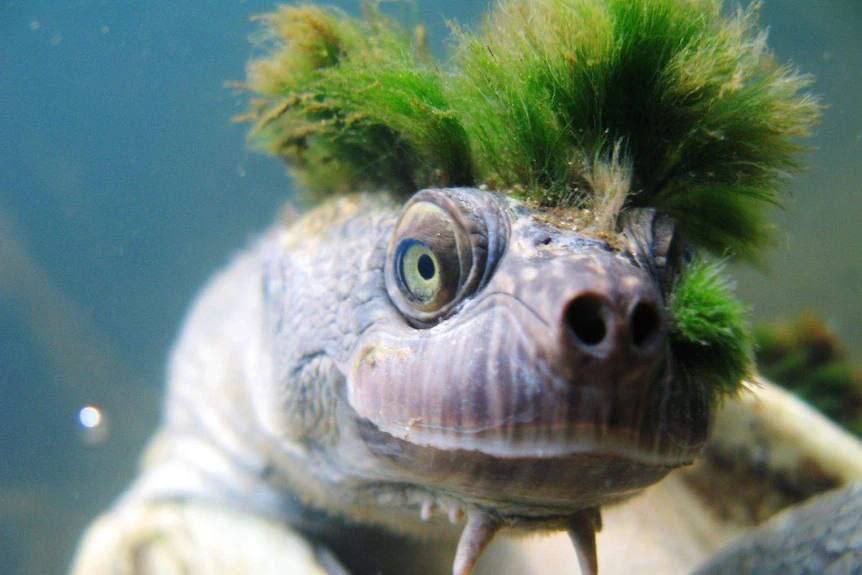

There are several threats to biodiversity, including:
1. Habitat loss and degradation: The destruction and fragmentation of natural habitats, such as forests, wetlands, and coral reefs, due to human activities like deforestation, urbanization, and pollution.
2. Climate change: Rising temperatures, changing precipitation patterns, and extreme weather events can disrupt ecosystems and negatively impact species’ ability to survive and reproduce.
3. Pollution: Pollution from industrial activities, agriculture, and improper waste disposal can contaminate ecosystems, water bodies, and soil, leading to the decline of species and their habitats.
4. Invasive species: Non-native species that are introduced to new environments can outcompete native species for resources, disrupt food chains, and alter ecosystems.
5. Overexploitation: Unsustainable hunting, fishing, and harvesting of species for food, medicine, and trade can lead to population declines and even extinction.
6. Disease and pathogens: The spread of diseases and pathogens, both natural and human-induced, can have devastating effects on wildlife populations.
7. Genetic pollution: Hybridization between closely related species or the introduction of genetically modified organisms can lead to the loss of genetic diversity within populations.
8. Illegal wildlife trade: The illegal trade of wildlife products, such as ivory, rhino horn, and exotic pets, puts immense pressure on vulnerable species and can drive them to extinction.
Addressing these threats and implementing conservation measures is crucial to protect biodiversity and maintain the health and balance of ecosystems.

You must be logged in to post a comment.