
Ace News Desk – Gardeners urged not to throw away grass cuttings after mowing lawn

Households have been given a helpful tip on what to do with grass clippings once they’ve mowed their lawns

Published: 06 May 2025
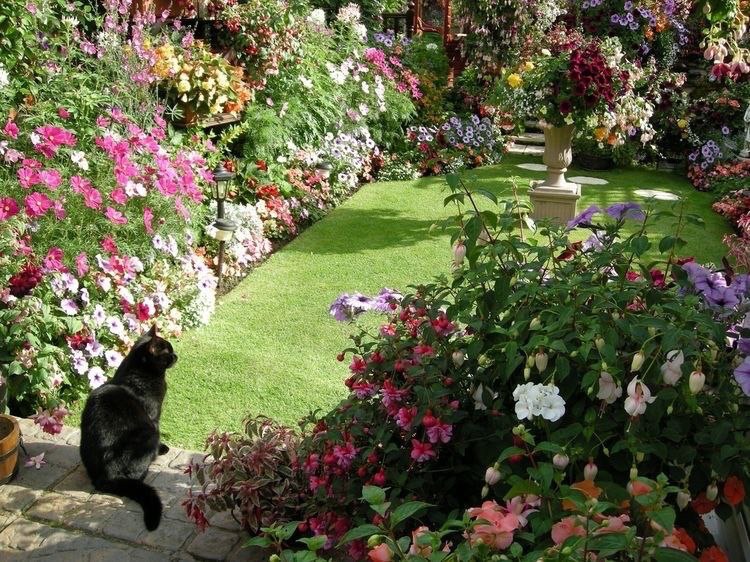
Your grass clippings could come in use (Image: Getty Images)
With temperatures rising and summer on its way, it’s critical for green-fingered enthusiasts to give extra attention to their gardens. Selecting the proper plant food is vital to sustaining growth, as it provides plants with nutrients crucial for flourishing and bringing vibrant colour to your outdoor space.
Many gardeners opt for ready-made fertilisers that you can buy in stores and online, but there are plenty of natural and organic options that are much more effective and cost-free.
Erik Steffrud, soils and compost manager at Longwood Gardens, has highlighted the value of DIY methods.
“Homemade soil amendments are a great way to reduce material that would otherwise go into landfills, address climate change through carbon sequestration, and build healthy soils all at the same time,” he said.
Grass clippings, which are often discarded after mowing your lawn, can work wonders as fertiliser.
Rich in nitrogen, phosphorus, potassium, and various micronutrients, these common garden by-products are exceptionally nourishing for plant life, reports the Mirror.
Dan Kemper, an advocate for organic farming research, advised: “You can put grass clippings in your garden and then till them into the soil, where they’ll be broken down very quickly, releasing nutrients for your gardening crops.”
According to the Martha Stewart website, one method is to scatter grass clippings over the soil. This creates a mulch layer that retains moisture and deters weed growth.
Alternatively, gardeners can opt for a more organic approach by utilising food waste, provided it supplies the necessary nutrients for plant growth.
Fertilisers typically contain three key elements: nitrogen, phosphorus, and potassium.
However, ingredients rich in calcium can also be beneficial for plants. To determine what your plants require most, conducting a soil test to ascertain pH levels is recommended.
DIY soil testing kits are available at gardening stores, or for a more comprehensive analysis, soil samples can be sent to a laboratory.
By adhering to these straightforward gardening tips, you can ensure your plants flourish and maintain their vibrancy throughout the year.
It doesn’t require any additional money, just a bit of effort.
At Sterling Publishing & Media Service Agency, we prioritise transparency and accountability in all our operations. We wish to clarify that we are not responsible for any external content, hyperlinks, or costs associated with our services. Nevertheless, we remain committed to delivering outstanding services and greatly value your continued support. Thank you for your trust in us.
You must be logged in to post a comment.