
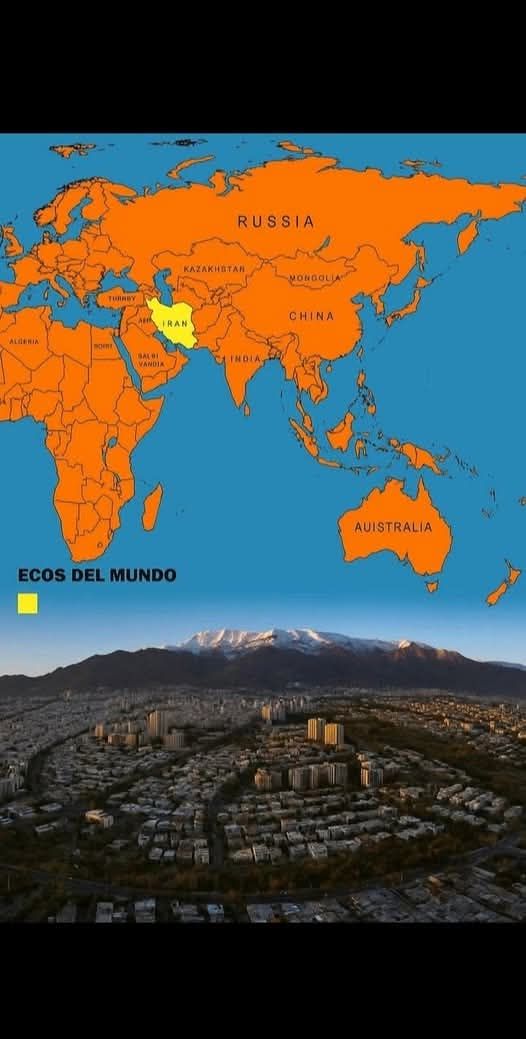
Iran, historically known as Persia, is one of the world’s oldest nations. Its rich heritage extends thousands of years. Iran has been a significant locus of powerful empires and cultural, scientific, and artistic advancements throughout antiquity.
**Geographical Context:**
Iran is in Western Asia (known as the Middle East). Its geopolitical boundaries are defined by Iraq to the west, Turkey to the northwest, Armenia and Azerbaijan to the north, Turkmenistan to the northeast, Afghanistan and Pakistan to the east, and it possesses coastlines along the Caspian Sea to the north and the Persian Gulf to the south.
**Capital and Demographics:**
Tehran is the capital city and serves as the political, economic, and cultural heart of the nation. Its population is estimated to exceed 86 million.
**Historical Significance:**
Iran was central to the formation of the Persian Empire, which is recognised as one of the most influential civilisations of antiquity. It reached its zenith under leaders such as Cyrus the Great and Darius the Great, whose administrative innovations and cultural expansions impacted regions from Greece to India. Notably, in 1935, the international designation was officially changed from Persia to Iran.
**Religious Landscape:**
The predominant faith is Shiite Islam, distinguishing Iran from many other Muslim-majority countries that are primarily Sunni. This sectarian identity has significant implications for both domestic and foreign policy.
**Economic Overview:**
Iran’s economy notably relies on its extensive natural resources, particularly petroleum and natural gas reserves. However, it faces substantial challenges due to international sanctions and ongoing geopolitical tensions, which have stunted economic growth and development.
**Cultural Heritage:**
Iran boasts a rich cultural tradition, celebrated for its contributions to poetry (notably through figures like Hafez and Rumi), distinctive architectural styles exemplified by ornate mosques, intricate Persian carpets, and a diverse culinary landscape. The observance of Nowruz, the Persian New Year, is a culturally significant festival reflecting the nation’s heritage.
**Noteworthy Historical Insight:**
The Persian Empire played a crucial role in the early development of human rights concepts, as evidenced by the Cyrus Cylinder, which is often regarded as one of the world’s first declarations promoting fundamental human rights.

You must be logged in to post a comment.