
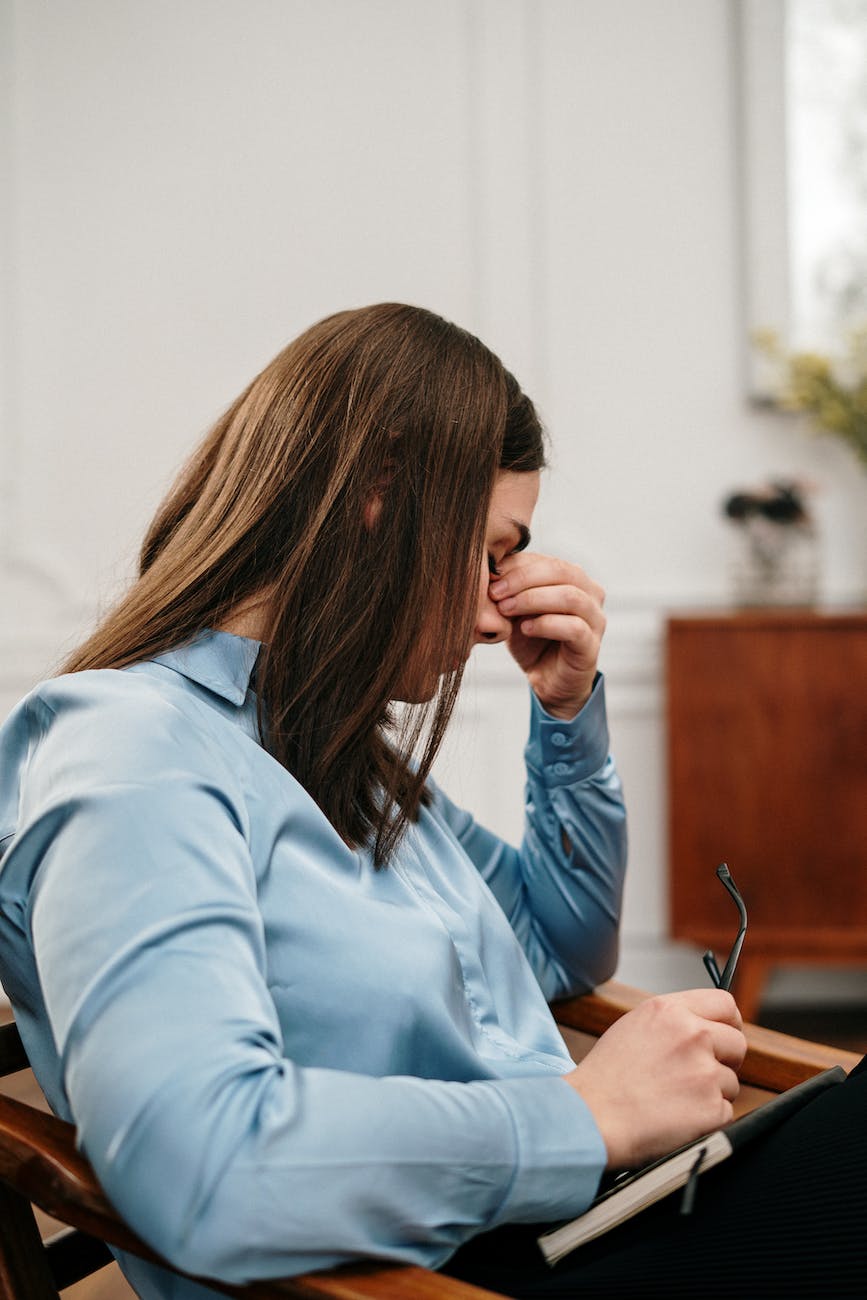

Emotional support is a crucial factor in building resilience and helping individuals cope with anxiety disorders.
It creates a safe and non-judgmental space where individuals can express their feelings and experiences related to their anxiety.
This validation and acceptance of emotions help individuals feel heard, understood, and accepted.
Emotional support provides encouragement and motivation to stay committed to treatment plans and engage in self-help practices, which boosts individuals’ confidence and belief in their ability to overcome challenges.
It helps develop effective coping strategies and skills to manage anxiety, problem-solving approaches to focus on solutions, and provides role models who have successfully managed their stress and built resilience.
Emotional support creates a sense of stability and safety, contributing to resilience-building by reducing anxiety levels and allowing individuals to focus on their recovery and growth.
I’m sorry to hear that you’re experiencing anxiety. It can be a challenging and overwhelming experience. Anxiety can manifest differently for each individual, and it’s essential to acknowledge and understand your unique symptoms and triggers.
The physical sensations you described, such as difficulty breathing, chest pressure, and feeling like something dark is sitting on you, are common symptoms of anxiety.
It’s important to remember that these physical sensations result from your body’s natural response to stress.
The heightened sensitivity to the environment, such as lights and sounds, is also a common symptom of anxiety. Anxiety can make you feel hyperaware and on edge, perceiving potential threats in your surroundings. This state of hypervigilance can lead to feeling unsafe and on high alert, even in seemingly ordinary situations.
It’s important to know that anxiety is a treatable condition, and various strategies and techniques can help manage and alleviate its symptoms. Here are a few suggestions:
Deep Breathing: Practice breathing exercises to help calm your body and regulate your breathing. Focus on inhaling slowly through your nose, filling your lungs, and exhaling through your mouth
Meditation: Mindfulness practices, such as meditation or guided imagery, can help you stay present and reduce anxious thoughts. Apps like Headspace and Calm offer guided meditations specifically designed for anxiety.
Physical Exercise: Regular physical activity can help reduce anxiety by releasing endorphins and promoting relaxation. Find an exercise routine you enjoy, whether jogging, yoga, dancing, or any other form of movement.
Cognitive-Behavioral Therapy (CBT): CBT is a common form of therapy that focuses on identifying and challenging negative thought patterns and behaviours associated with anxiety. It can help you develop coping mechanisms and change your response to anxiety-inducing situations.
Seeking Support: Consider contacting a mental health professional, such as a therapist or counsellor, who can provide guidance and support tailored to your needs. They can help you develop coping strategies and offer a safe space to express your feelings.
Remember, everyone’s experience with anxiety is unique, and what works for one person may not work for another. It’s essential to find strategies and techniques that resonate with you and seek professional help. You don’t have to face anxiety alone, and with the proper support and tools, it is possible to manage and alleviate its impact on your daily life.

You must be logged in to post a comment.