
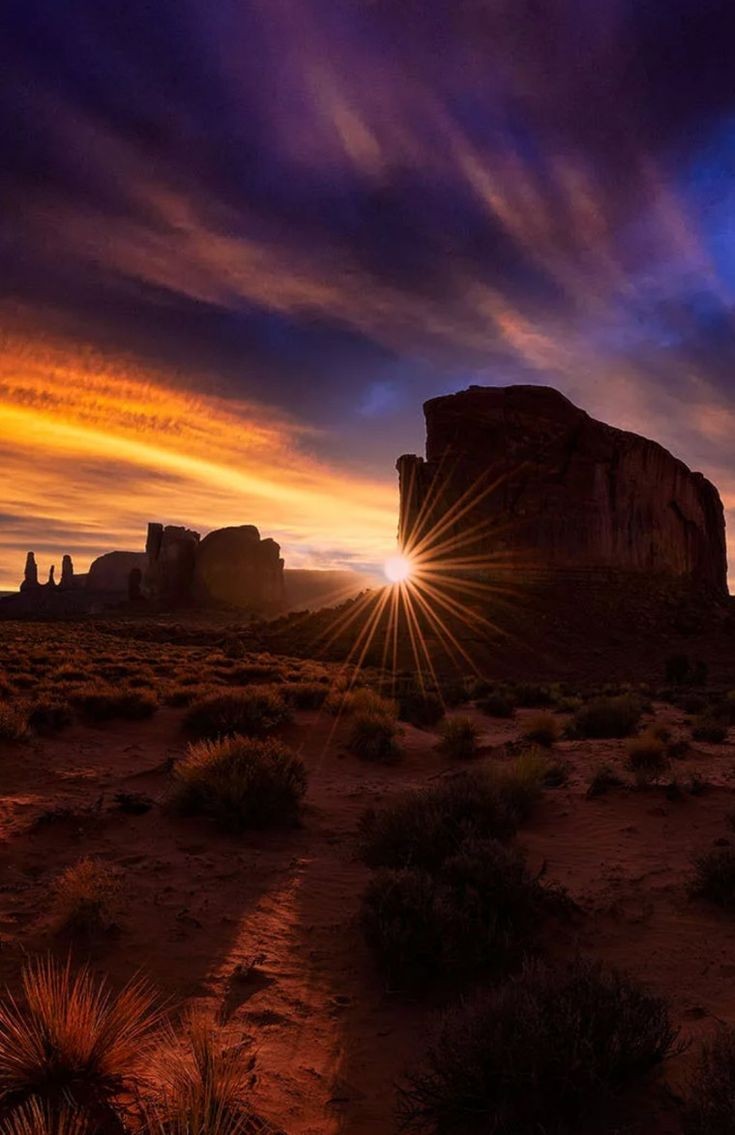

The Homes of the Spirits – By Max Taylor
No black man would ever camp there. These were the words of this Aborigine man I met, who was taking his family on a walkabout but was using a car to travel long distances and show his people country and places. We were talking about campsites across the Northern Territory, and when I mentioned the Devils Marbles (Karlu Karlu) as a site where I had often camped when traveling the Stuart Highway, he quickly told me that no black man would ever camp there. They believed a lot of spirits may be there, so I left it at that.

When I was camped in the Far North, I and two others walked into the most spiritual Aboriginal country I have ever been in. It was a very dense, rough country; the Aborigines had told me quite a lot about it at the time. No Aborigine would come with us so we decided to go alone. We walked along a very narrow track beside an escarpment, then we noticed two white chaps ahead of us. They were barricading sections off along the cliff face. Now what had happened was there were a lot of ledges and small caves, and as members of the tribe died, they were put in these places as burial chambers. As we walked along, sometimes we were only three meters from some of them. We continued to walk for some distance, they could go no further. This was sacred ground. Ahead on the right was a lot of very rocky country and on one rock there was a round disc-shaped rock sitting on top of another rock. This rock is called “Nourlangi Rock”. This area is steeped in mythology and stories of the Dream Time.
This was a long time ago and I have forgotten some of the stories the Aborigines told me at the time. When I was there the National Parks were getting the track ready to take tourists to where we were, and tell them stories of the rock and Dream Time. On our way back we diverted from the track slightly to look at some of the country. There was dense rough country in there, it would be easy to get lost forever, we had to be very careful. I couldn’t help but notice the different fruits, etc that grew on vines and shrubs. I collected quite a lot and took back with me to camp and asked the Aborigines what they were? I was shown the ones that could be eaten and the ones used for medicine. It certainly was interesting country.

The customs vary as you go across the country. I and Coral were visiting friends once when one of the family members came home one evening and said that a strange thing happened today. We were digging and clearing with the backhoe, putting that pipeline through and we came across a skeleton and it was sitting up. It would have been an Aborigine. I said, “what did you do?”. He said, “we covered it back up”. I said, “That’s only a small diameter pipeline, you can easily divert it away from there”. He said, “yes, we are going to”. I told him if he had looked closer, he would have noticed the legs would have been bound with Wallaby or strips of Roo hide. They believe it stops their spirits from walking. There most likely is more buried, this always happened in loam country or sandy places. Until then I only knew of two other places like this.
I have three sisters Sylvia did a world trip but was keen to get back to their farm near Whitton two of them liked to travel and visit places of historical significance. Patricia did two world trips and liked to visit old castles, etc, while Beryl went to the Middle East and traveled through the Holy Land. She climbed on Mount Sinai and stood where they said Moses stood when he received the Ten Commandments. She then went on to the river Jordan, to the spot where John the Baptist baptized Jesus and many others. When she returned, people asked her what was the river Jordan like? She replied “just like the Murrumbidgee River, only not as wide, with heavy timber each side on the banks. After looking at film and photos I thought it was identical to the Lachlan River with much timber on each side, like out Hillston way. Still can’t figure out what makes them want to travel?

You must be logged in to post a comment.